
I just spent the last three months working with a team of architects to develop proposals for a new basketball arena.
If you’d told me a year ago that I’d be diving deep into the design of a professional sports venue, I’d have raised an eyebrow. Sports arenas have never struck me as places for placemaking. They’re huge, inward-facing, expensive machines built for maximum spectacle—and most of the time, they sit empty.
So I entered the process with a healthy skepticism. But I also saw it as a challenge. If a city intends to invest hundreds of millions of dollars into a new arena, what if we demanded more from it—not just for fans, but for everyone?
Reframing the Sports Arena as Urban Public Space
Too often, arenas are sold as economic engines: create jobs, fill hotel rooms, attract tourists, and anchor redevelopment. But what rarely gets asked is: What do they give back to the public realm—or to the city’s social infrastructure?
Our team started from the premise that a sports venue should also be a civic place—a space where you don’t need a ticket to feel like you belong. That meant designing public areas that are alive every day of the week, not just game night. It meant thinking about street life, shade, storytelling, kids playing basketball, food vendors building small businesses, and people gathering for cultural rituals—not just playoff games.
In other words: we tried to turn the arena inside out.
Urban Design for Sports Facilities: Activating the 90% of Time It’s Not in Use
The central question we kept coming back to was: How do you make a giant building for ticketed games and events serve the city 365 days a year?
That’s where placemaking came in.
We proposed ideas like:
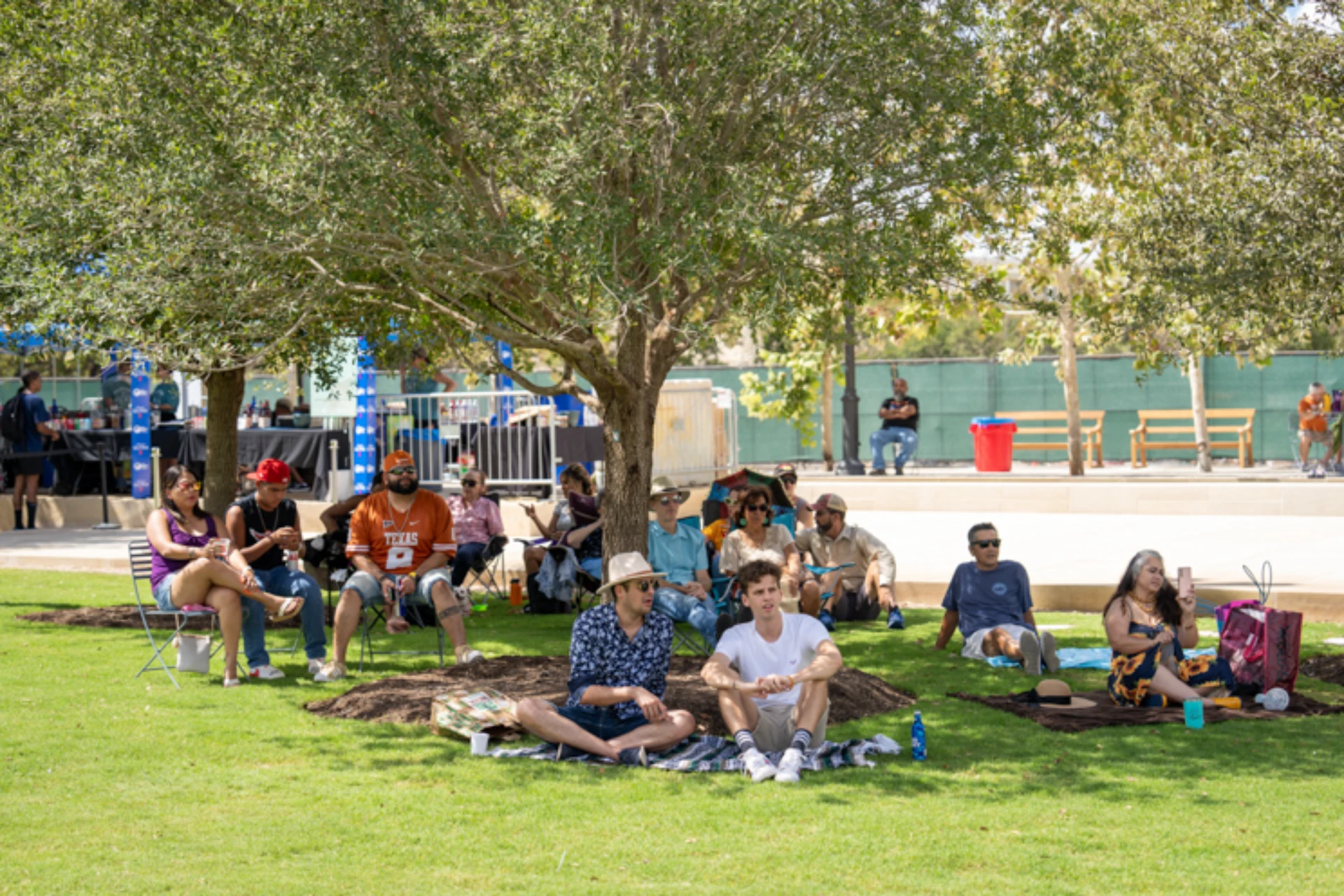
- Outdoor shaded plazas with shaded seating and food trucks, open daily
- Outdoor screens that turn the building into a community gathering place
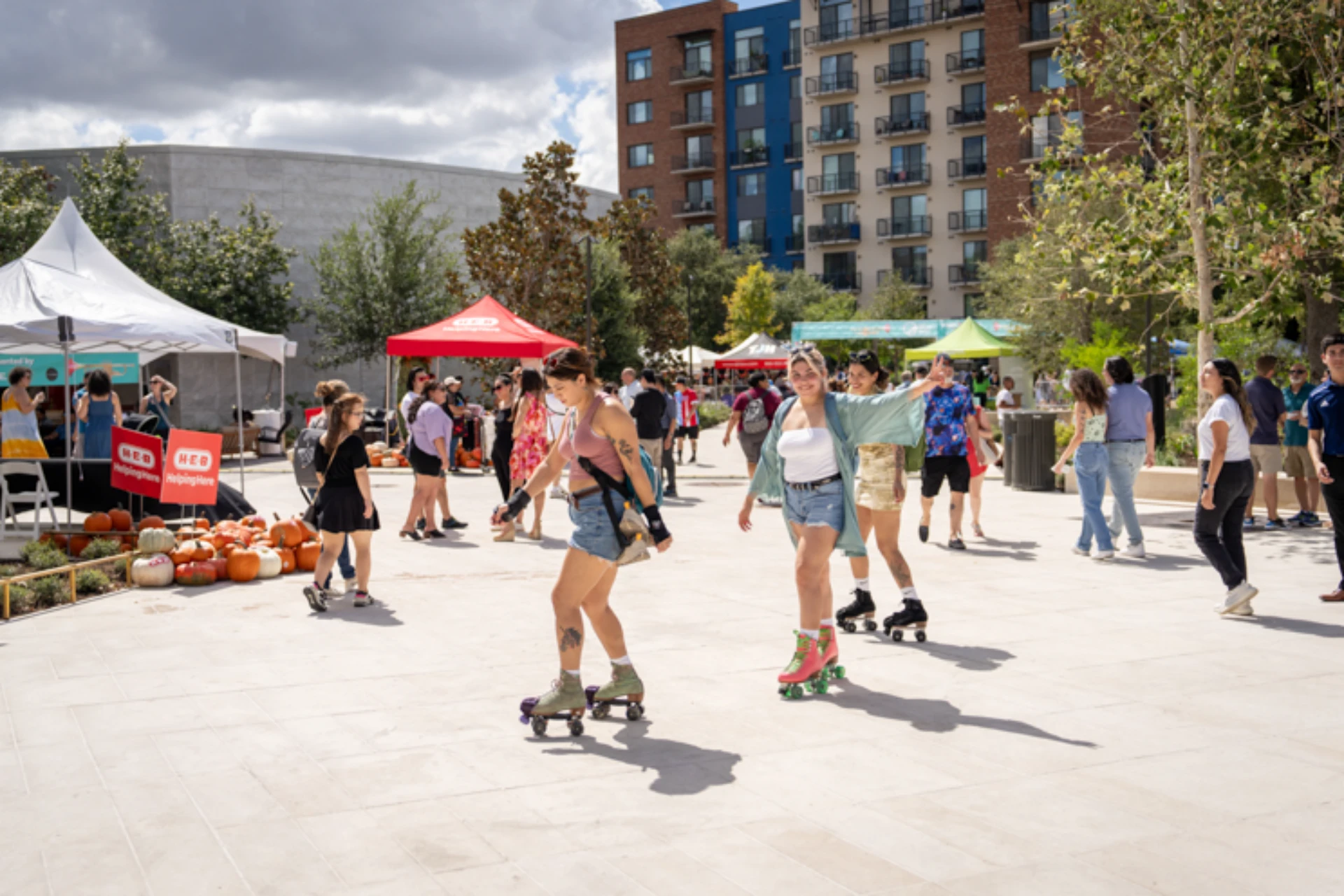
- Youth clinics, concerts, and markets on non-game days
- Multi-purpose meeting rooms for local groups and nonprofits
- A Sports Media & Reading Lab that excites kids about broadcasting and journalism—but really teaches reading and writing skills
- A STEM of the Arena program where students explore the building as a living laboratory: measuring the slope of seating, calculating volume, studying lighting, acoustics, and sustainability systems
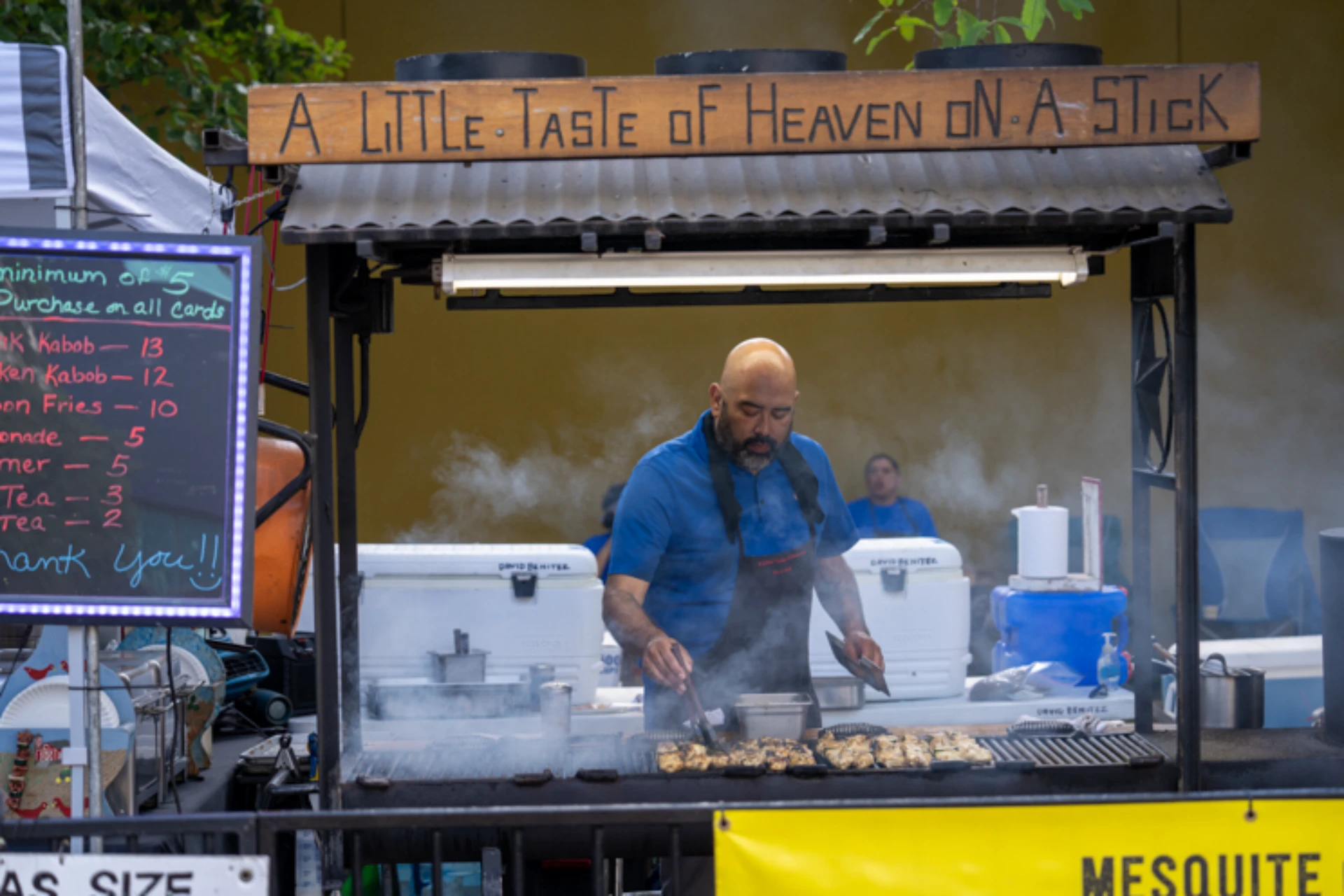
These aren’t just amenities—this is a strategy for enriching the city’s social and cultural wealth.
There were other ideas as well—but we were mostly working in the isolation of a design comptetion. Imagine how much richer this would become when the design process opens up to public involvement and engages local programming partners.
Behavior Settings and Affordances in Urban Districts
In my work, I often ask: What makes a place meaningful?
So much depends on what a place affords the user—what it invites us to do. Does it offer a place to sit in the shade and linger? To bump into neighbors? To bring your kids? To express yourself? These are behavior settings that give people subtle cues that a place belongs to them.
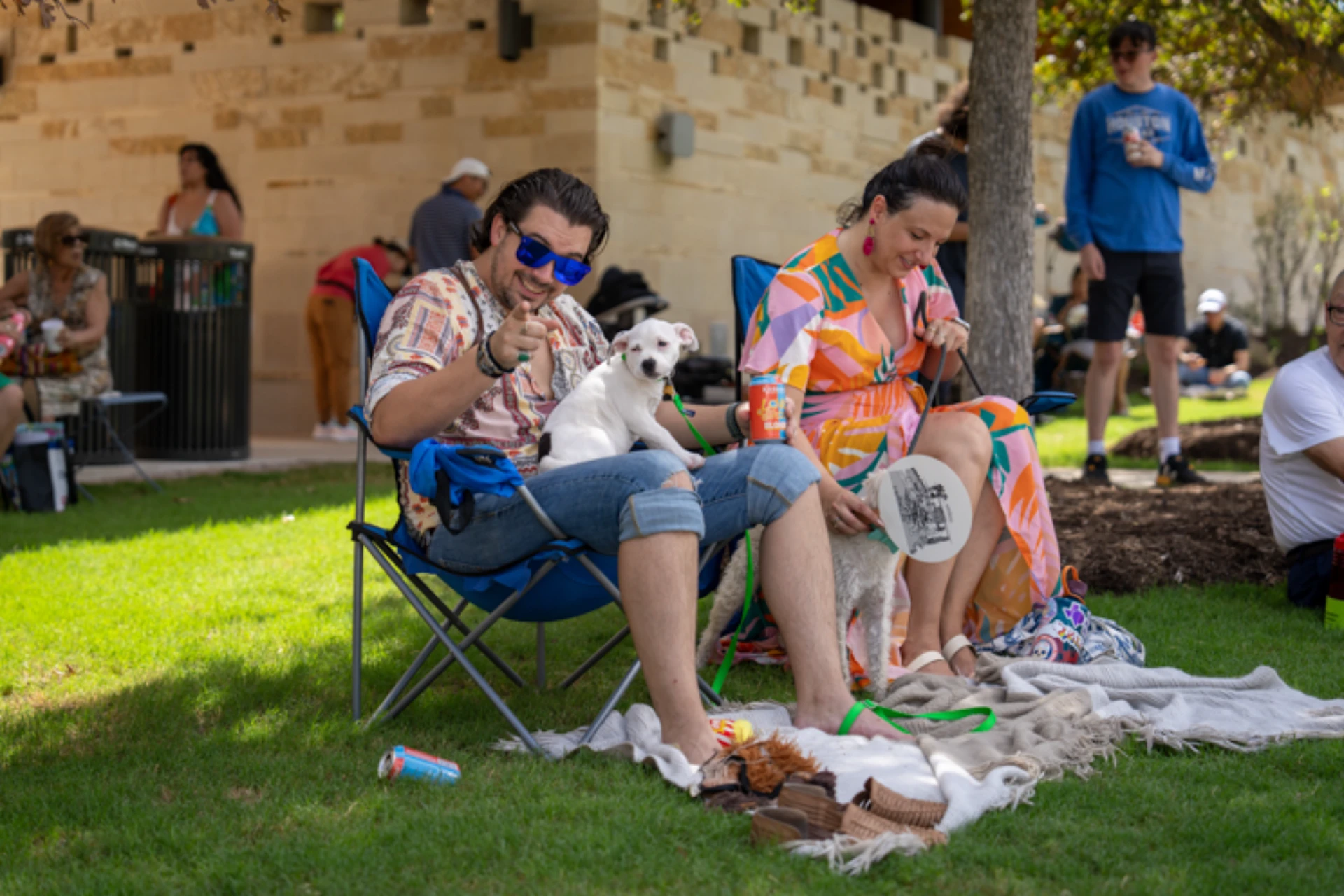
Big civic projects fail when they ignore these cues. And arenas are notorious for doing just that—presenting blank walls and security barriers instead of welcome mats. That’s why our team’s proposal emphasized daily life and casual use.
Because when a space affords something for everyone, it becomes a place people want to return to.
Narrative Placemaking in Entertainment Districts
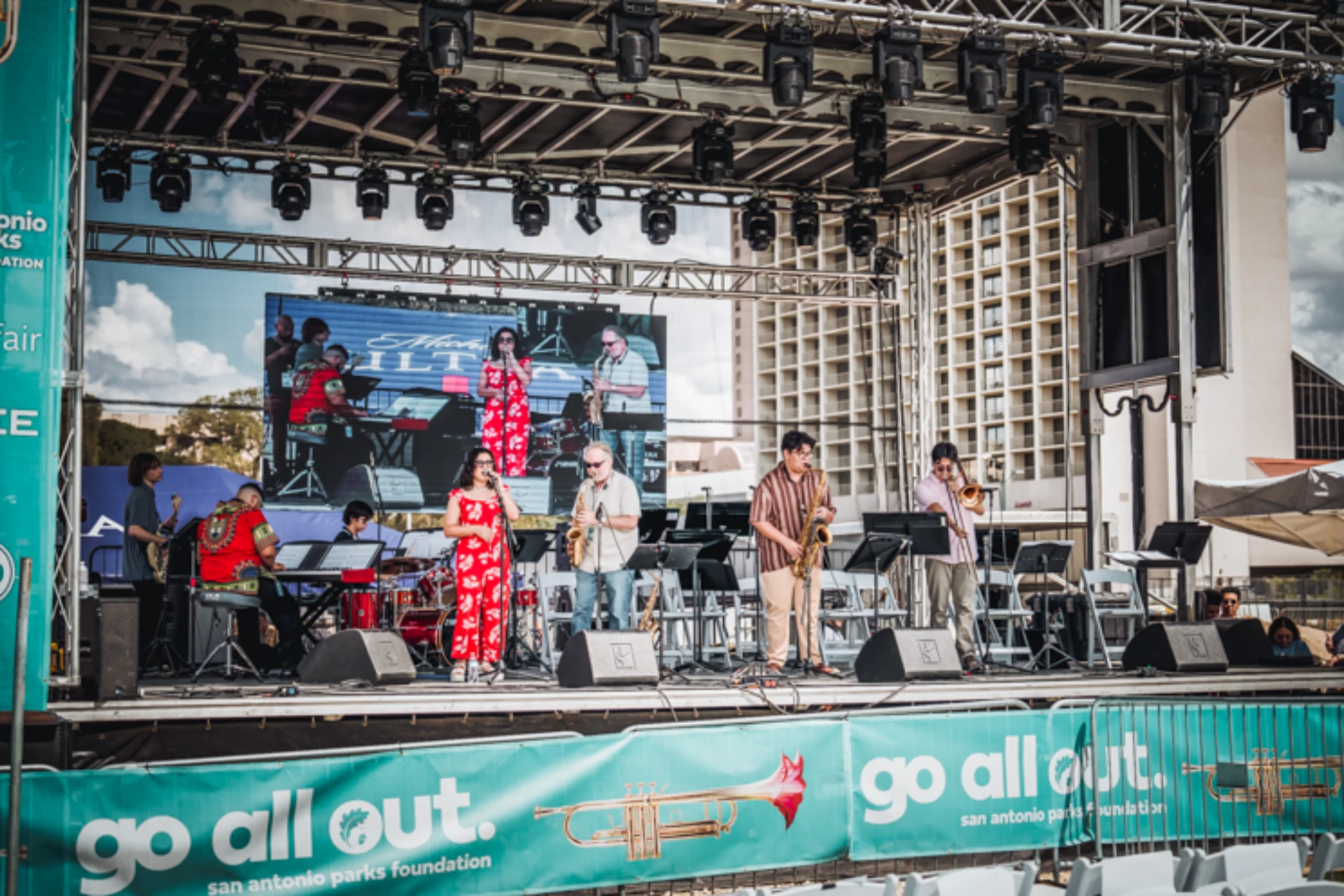
Sports arenas are naturally charged with emotion—memory, pride, heartbreak, community. But most of them only tell one story: the team’s.
We asked: What if the arena also told the story of the city?
That could mean public art created by local artists, murals that celebrate neighborhood heroes, signage in multiple languages, and spaces for cultural events that reflect the city’s diverse communities. It could mean public storytelling woven into the landscape—an arena where a young visitor learns not just who the MVP is, but what the city stands for.
This kind of narrative placemaking transforms infrastructure into identity.
Challenging the Assumptions Around Sports Arena Design
The problem isn’t that sports arenas can’t support placemaking. The problem is that we rarely ask them to.
We assume they’re too big, too secure, too specialized to be part of the city. So we design them as fortresses or entertainment silos—and then we’re surprised when they feel disconnected and sterile.
But these buildings live at the intersection of public funding, civic pride, and cultural energy. If even a fraction of that energy were directed outward—to the street, the plaza, the park—we could build something far more meaningful. Not just a venue, but a shared place.
The Project Outcome—And a Larger Lesson for Urban Development
In the end, our consulting team made it to the final round of two. And the client chose the other team.
Yes, I’m disappointed. But what sticks with me isn’t the outcome—it’s the realization that we’ve been thinking too small.
A sports arena is one of the most expensive and emotionally charged buildings a city can build. So why don’t we demand that they give something back? Not just economic dividends, but a social one: a place where people feel welcome, seen, and rooted
Placemaking doesn’t shrink the ambition of a sports venue. It expands it.
I may not be on the winning team this time, but I’ll keep asking the same question:
Who is this space really for—and when the lights go out, what remains?