Low-Intensity Belonging

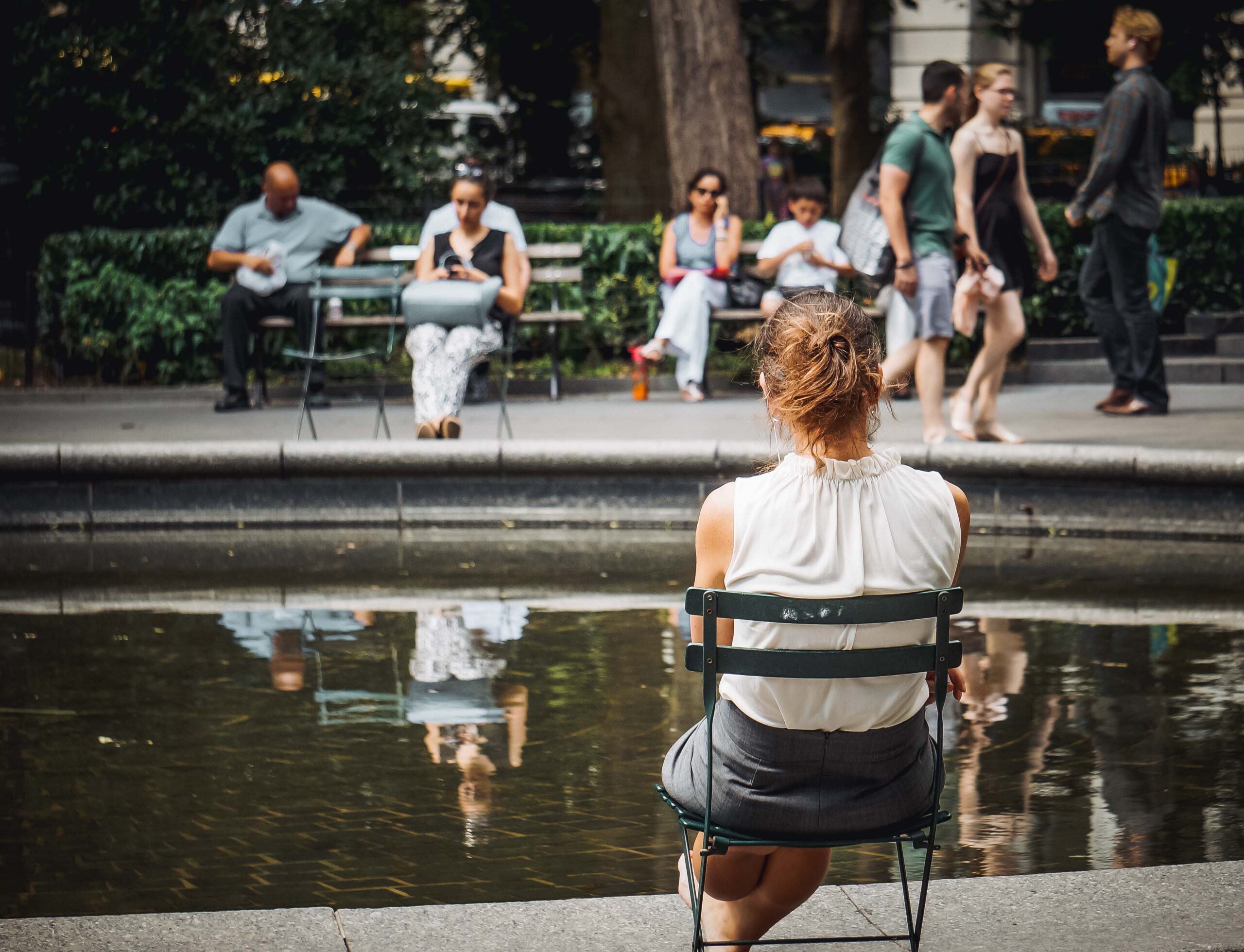
Unlike everyday exchange, low-intensity belonging does not require conversation at all.

It is the experience of being near others without obligation. Sitting on the same bench, sharing a patch of grass, watching the same view, even existing within the same atmosphere.

There is no performance or expectation. No engagement, no transaction. Nobody has to say anything, notice anything, or remember anyone’s name.

A similar idea already has a name in sociology: weak ties, Mark Granovetter’s term for the value of knowing the person who sells you your coffee every morning, the neighbor you wave to but never visit, the acquaintance who happens to mention a job opening. Weak ties carry more real information and real support than we tend to give them credit for.

But what I am describing is even weaker than that, and I think it matters just as much.
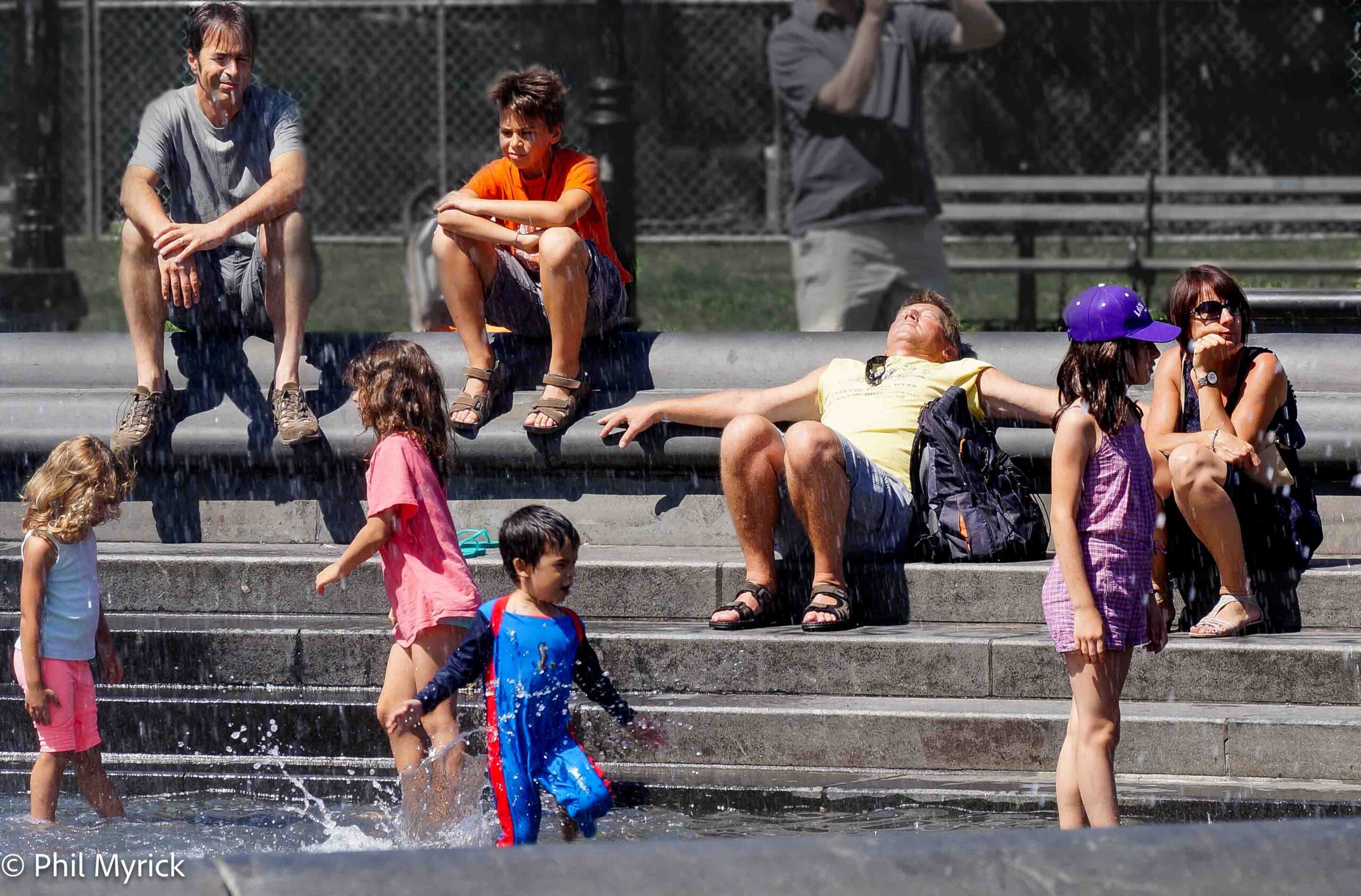
Children playing around a fountain

When Play Breaks the Script

Play is one of the clearest indicators of spatial success.

Yet it rarely follows the script designers imagine.

Children test gravity. They climb edges. They run along surfaces never labeled as “play features.” Dogs discover fountains. Teenagers convert benches into stages.

These behaviors are not disruptions. They are revelations.

Through My Lens: Life Happens at the edges

Social life concentrates at thresholds.

Between inside and outside.
Between movement and rest.
Between private and public.

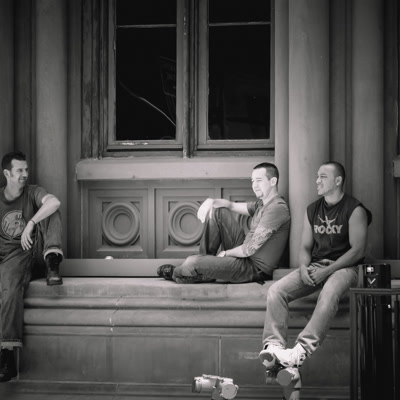
Steps, ledges, storefronts, and curbs often outperform formal plazas because they allow people to occupy space without committing fully. They offer support without prescription.

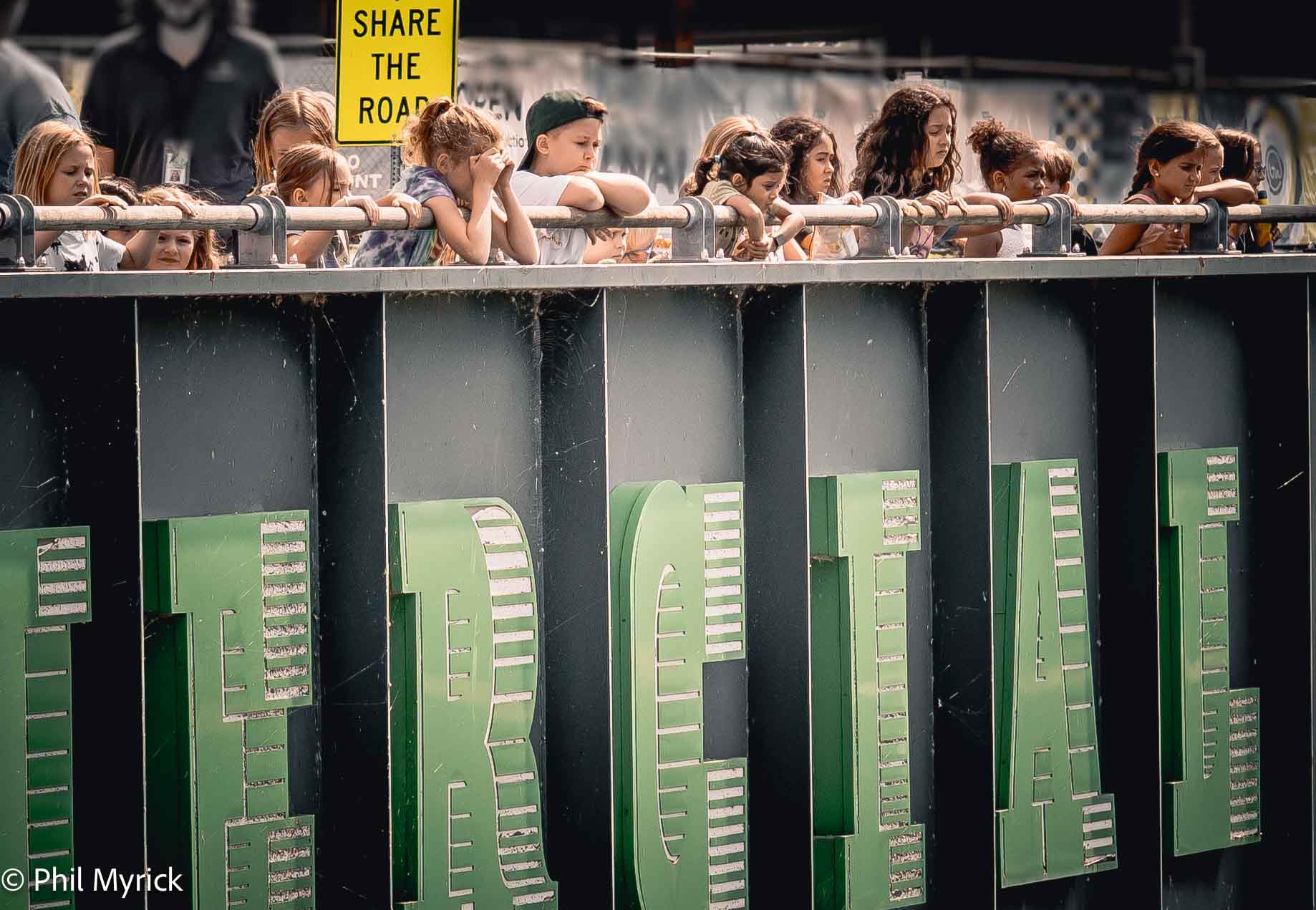
Through My Lens: Before We Join In

Most participation in public space begins quietly.

People arrive. They pause. They look around. They assess what kind of behavior feels acceptable. They watch others before committing themselves.

This period of observation is not disengagement. It is orientation.

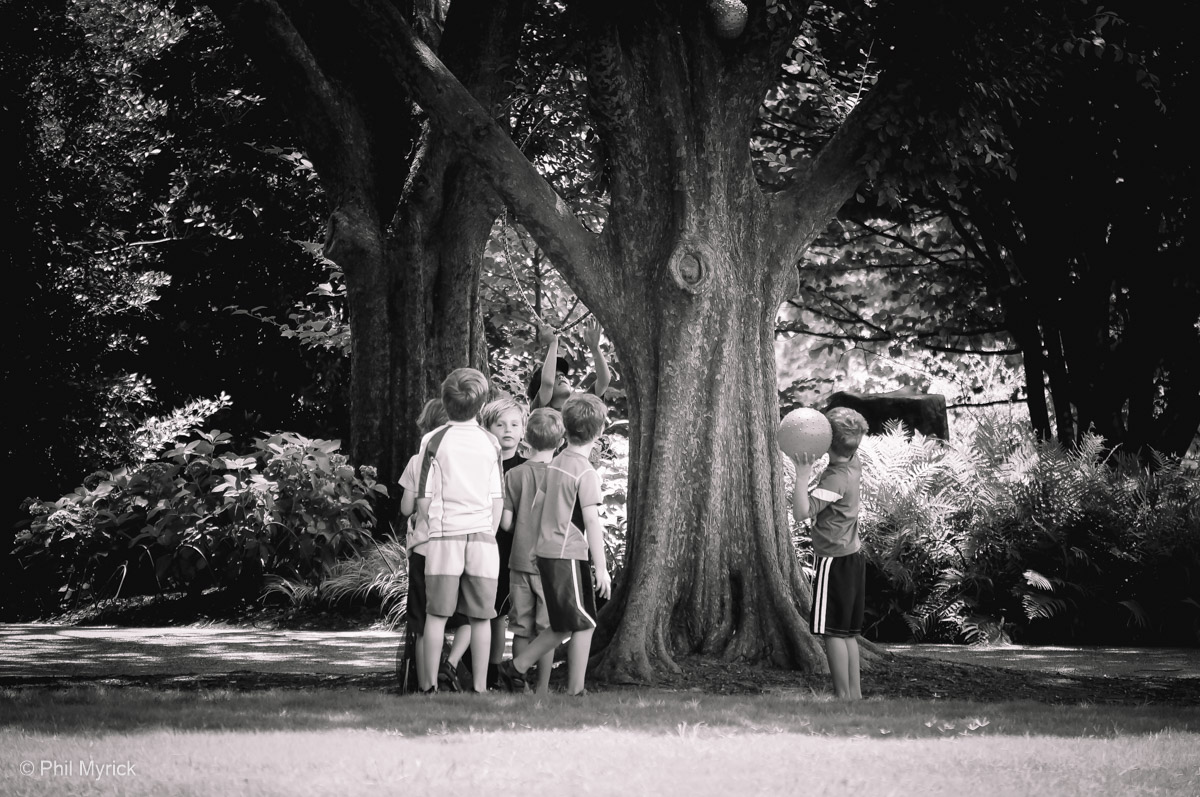
Through My Lens: Where Memory Begins

There’s no instruction to linger here—just a tree, open ground, and the quiet logic of children finding one another. This is how places become meaningful, and how memory takes hold.

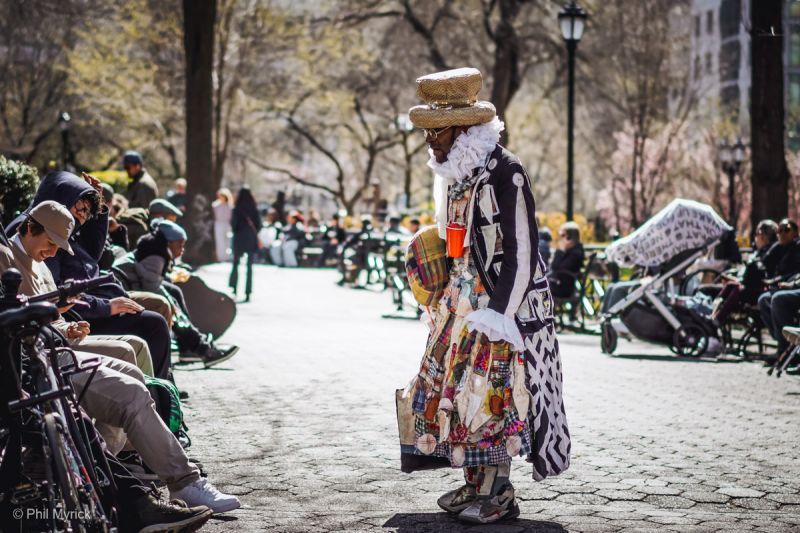
Through My Lens: Public Spaces as cultural stages

Performers like this bring texture and surprise to urban spaces. They remind us that public spaces are not just physical—they’re cultural stages for creativity and self-expression.

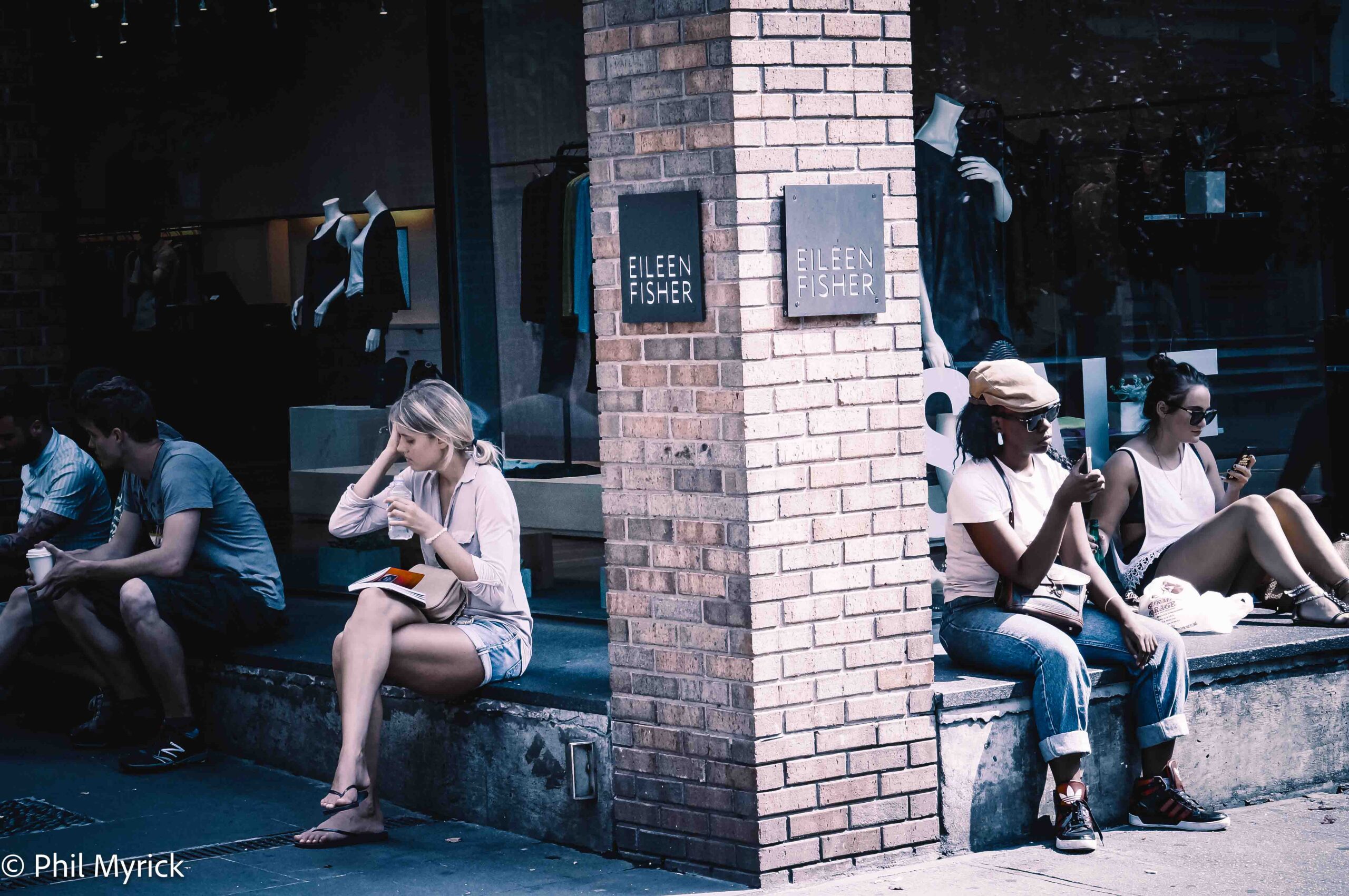
Through My Lens: A Ledge as a Meeting Place

A simple ledge becomes a place to pause without signs or instructions. What stands out isn’t that people stop here, but how naturally the space turns into a place to meet, talk, and linger.

Stay Update and get our latest news and offers