
People don’t fall in love with cities because of their master plans.
They fall in love with them because of small, repeatable moments—often first experienced as children, sometimes rediscovered later as adults—that quietly embed a place in memory.
These details rarely show up in renderings. They’re often dismissed as secondary or nonessential. And yet, they are among the most powerful—and overlooked—tools we have for building place attachment: the emotional bond between people and place that underpins stewardship, loyalty, and long-term civic pride.
Placemaking succeeds not when people notice a place once, but when they remember it years later.
Placemaking Beyond Design: The Missing Layer of Memory
Most conversations about placemaking and urban design focus on form, programming, and economics. All are essential. But between design intent and daily use lies another layer—how places lodge themselves in memory.
People remember places as experiences: What they discovered, collected, repeated…What felt personal, playful, or meaningful.
This is where small touches matter most—especially in public spaces meant to last for generations.
These touches can take many forms—architectural detail, the smell of street food, a regal row of trees, or a public space that consistently draws people together. Here, I want to focus on a set of quieter, often overlooked strategies that operate at a more intimate scale, but can have an outsized impact on memory and attachment.
Discoverable Details in Public Space That Reward Curiosity
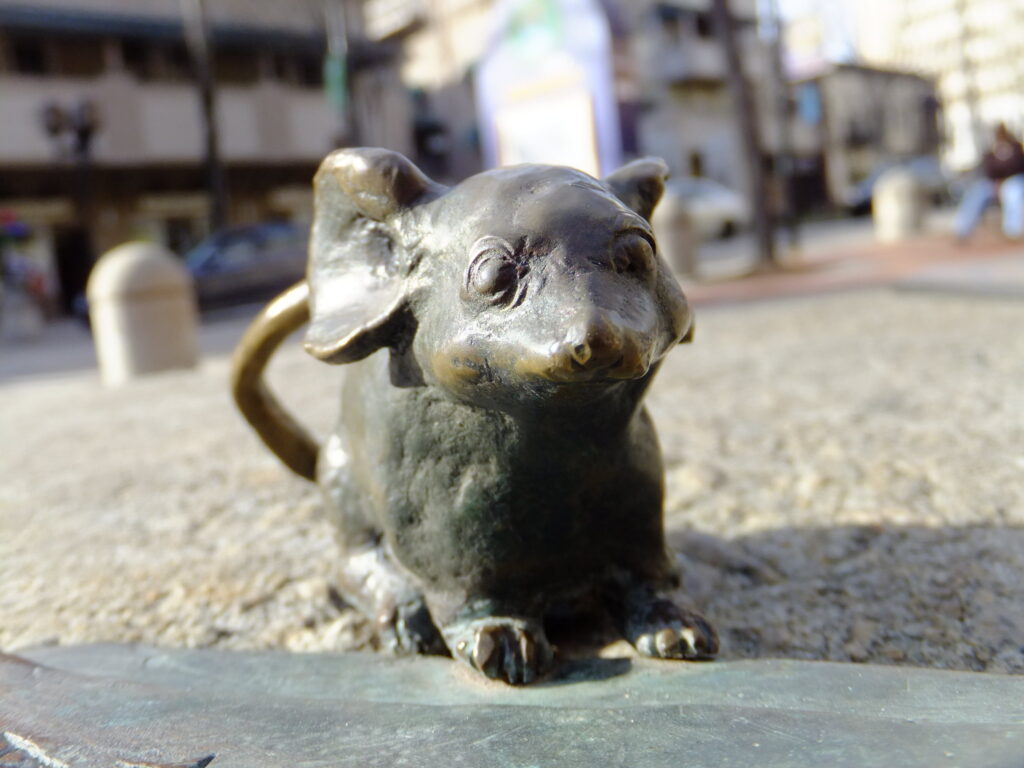
In downtown Greenville, the Mice on Main sculptures are easy to miss unless you’re looking closely. They’re tiny bronze statues hidden in Main Street’s nooks and crannies. Children search for them. Parents turn ordinary walks into scavenger hunts. Visitors come back to find the ones they missed.
Nothing about the mice is monumental—and that’s precisely why they work.
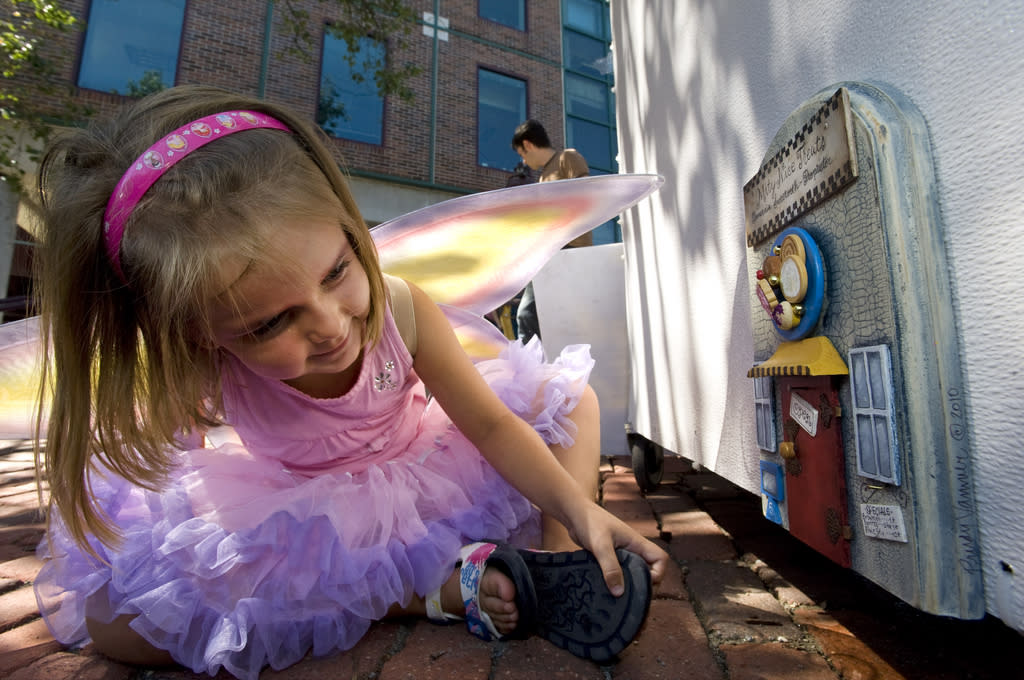
Similarly, the fairy doors tucked into storefronts and alleys in Ann Arbor suggest that the city has secrets. That it rewards curiosity. That it notices children. That it recognizes the value of pleasure and surprise.
These are not amenities.
They are micro-discoveries—and discovery is a powerful driver of place attachment.
Rituals and Repetition: How Places Become Meaningful Over Time
If discovery captures attention, ritual makes place attachment durable.
Rituals give places rhythm. They mark transitions. They turn ordinary spaces into sites of shared meaning through repetition. Importantly, many of the most powerful rituals are not officially designed or programmed—they emerge through use and are sustained because people keep choosing to repeat them.
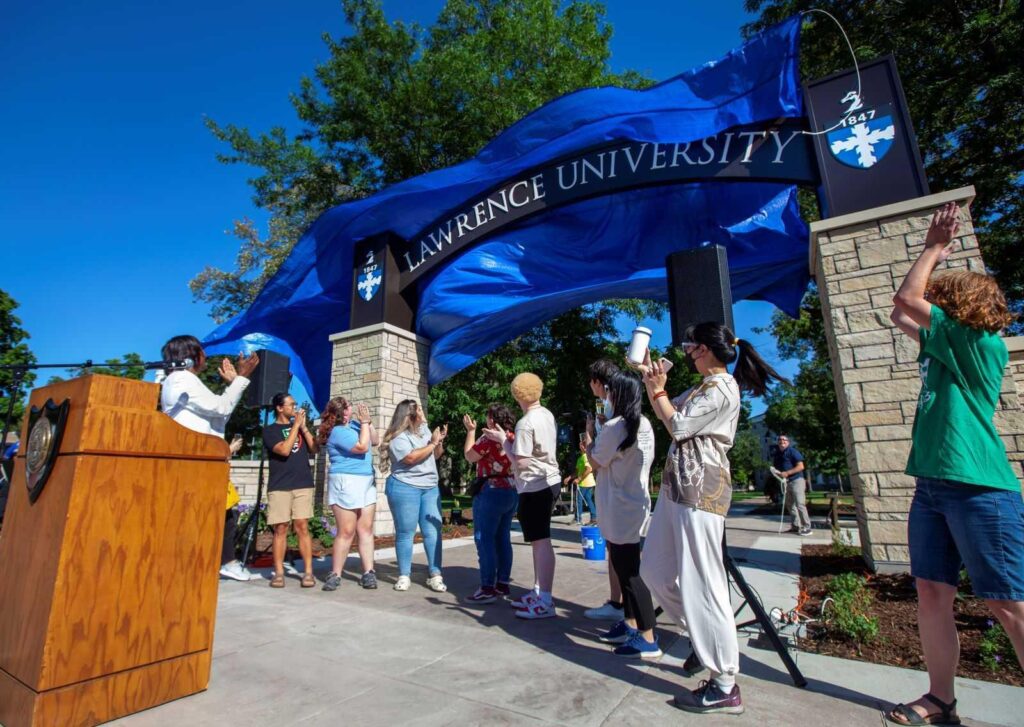
You see ritual used very often on college campuses. Walking under an arch at graduation. Sitting on the same steps during the first week of classes. Touching a statue for luck before an exam. Over time, these actions transform physical elements into markers of personal change. The arch, the statue, the steps become less about architecture and more about memory.
Urban places work the same way.
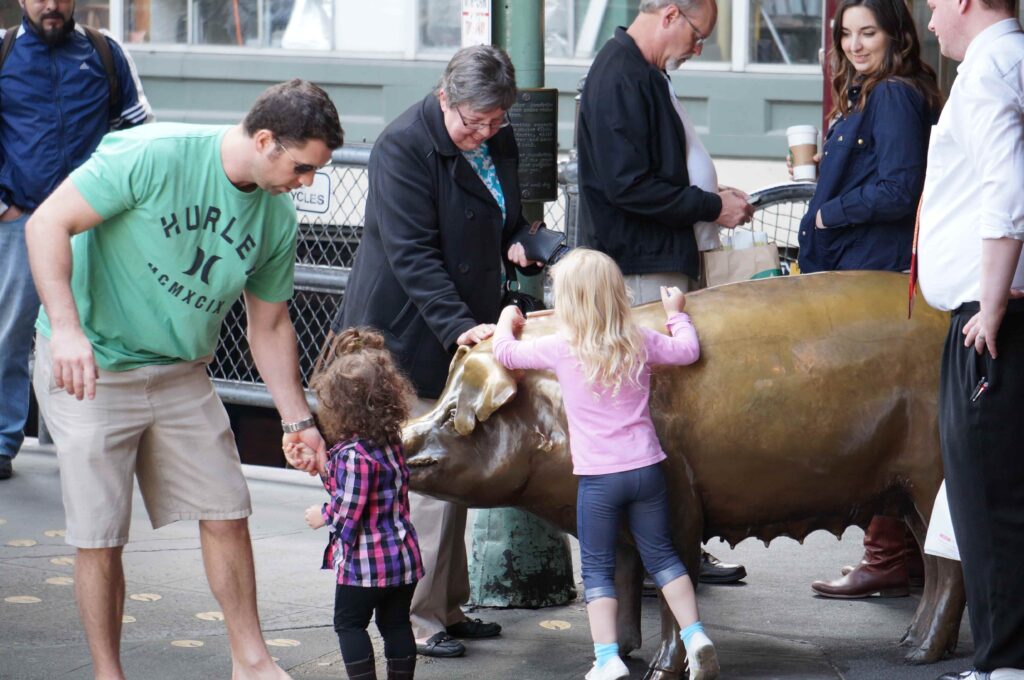
At Pike Place Market, the bronze pig is constantly touched—rubbed for luck, posed with for photos, incorporated into family rituals that have nothing to do with shopping and everything to do with belonging. Over time, its surface has literally changed, polished by millions of hands. The object records affection physically.
Something similar happens with the bronze bull on Wall Street. Officially titled Charging Bull, it has become one of the most recognized urban sculptures in the world not because of what it represents financially, but because of what people do with it. Visitors touch it, photograph it, joke about it, mythologize it. The bull isn’t just seen—it’s engaged.
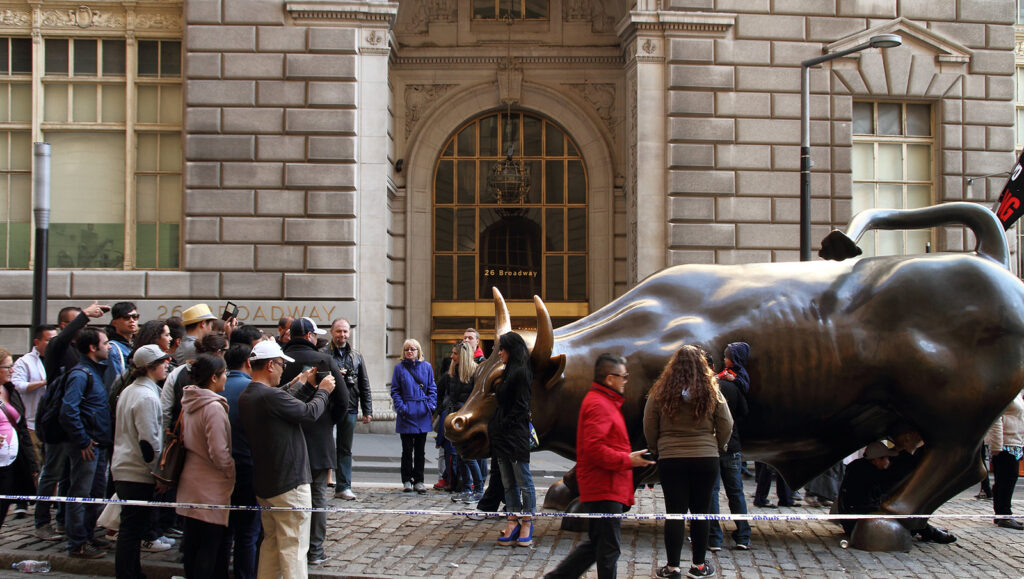
In both cases, meaning emerges through repetition. The ritual comes first; symbolism follows.
Many people describe these as “Instagram Moments,” but that framing misses something important. These rituals didn’t originate as content—they originated as behavior. Social media may amplify them, but the attachment comes from participation, not documentation.
Also striking is that these rituals don’t require signage, programming, or explanation. They persist because people observe others doing them and choose to participate. Over time, the place becomes inseparable from the action. To visit Pike Place without touching the pig, or Wall Street without encountering the bull, feels incomplete—not because the city demands it, but because collective memory does. And yes, social media does help spread and reinforce these collective memories.
For placemaking and urban design, this matters deeply. Rituals don’t need to be invented wholesale. They need to be allowed, supported, and not designed out of existence. When spaces offer elements that can be touched, crossed, returned to, or repeated, people will supply the meaning themselves.
Rituals don’t require large budgets or complex programming. They require consistency, permission, and time.
And once they take hold, they can anchor place attachment for decades.
Play as Place Attachment
Children don’t remember design intent. They remember what they were allowed to do.
A few years ago I suggested to the management team at Hemisfair—the signature new park in downtown San Antonio—that they give each visiting child a small, Hemisfair-branded toy boat to float down its water features. This would be a keepsake, a memento…a way to create affection and loyalty for the park that would last through a lifetime. A child who floats a boat there at age five doesn’t just remember the space—they remember agency, play, and belonging. They won’t soon forget that this place welcomed them.
Years later, they return not because the space was beautiful, but because it felt theirs.
In placemaking, play is not decoration.
It is emotional infrastructure.
Civic Mascots and Place Attachment: Animals as Urban Characters
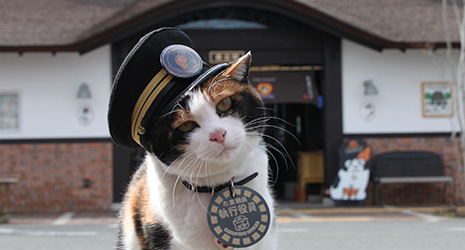
When I once suggested to the head of Spokane Transit that their main transit center should have a mascot cat or dog, it wasn’t a gimmick. It was about softening an institutional experience and creating a shared point of affection.
The most famous example is the stationmaster cat at Kishi Station. Tama wasn’t decorative—she was formally appointed, wore a tiny hat, greeted commuters, and became inseparable from the station’s identity. Ridership increased. The station became a destination. When Tama died, she was mourned nationally and later enshrined as a deity.
The lesson isn’t that every station needs a cat. It’s that visible care—expressed through characters, rituals, or stewardship—creates attachment.
Animals introduce warmth, unpredictability, and narrative into places that might otherwise feel transactional. They make systems feel human.
Take-Home Artifacts and Urban Memory
Some of the strongest memory anchors are small enough to fit in a pocket.
In San Antonio, Fiesta Medals are small, collectible pins produced annually by neighborhoods, organizations, and institutions to celebrate Fiesta—worn, traded, saved, and rediscovered year after year.
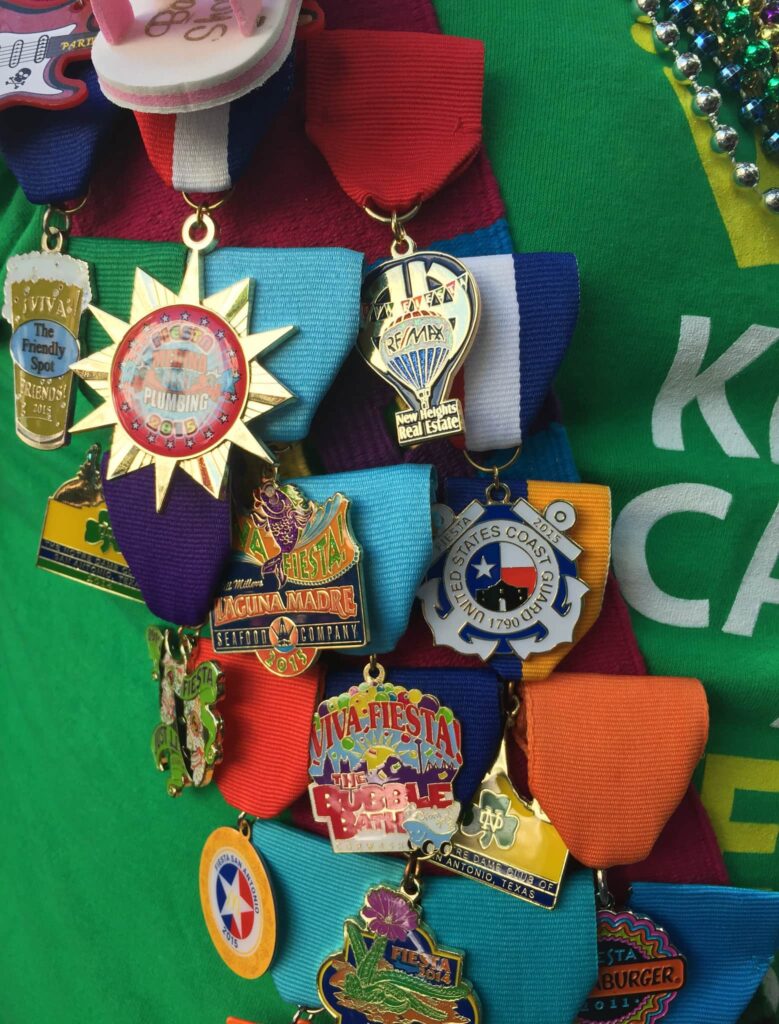
Like Carnival beads in New Orleans, these objects turn civic participation into a personal archive.
Each carries a story:
- That was the year my kids were little.
- That was the year we moved back.
- That was the last Fiesta before everything changed.
These artifacts matter not because they’re expensive or branded, but because they connect place to time.
Why Place Attachment Matters for Cities, Campuses, and Districts
The places we remember are the places we fight for.
Small, memory-building gestures encourage return visits, build intergenerational attachment, humanize large or complex environments, and cost little relative to their long-term impact.
These gestures have to be done thoughtfully, and resist the temptation to copy what worked elsewhere without understanding why. The wave of painted animal sculptures that swept through dozens of cities in the early 2000s — popularized by CowParade — is a useful cautionary tale.
In an era when many urban places struggle to feel distinctive, these tactics offer a different path—one grounded not in spectacle, but in affection.
Designing for Place Attachment, Not Just Activation
If we want people to care for places over time, we have to design not just for use, but for memory. This is where placemaking shifts from activation to stewardship—and where long-term value is quietly created.
That means asking different questions:
- What ritual might repeat here year after year?
- What small object might someone carry home?
- What will children remember about this place?
The answers are rarely big.
But they last a very long time.
What’s a small ritual or detail from a place that stayed with you for years?
I explore these ideas further through Field Notes and my ongoing work with cities, campuses, and districts thinking beyond activation toward long-term place attachment.